Export orders rarely fail because a buyer cannot find aluminium foil; they fail when supply cannot keep pace with a quarterly plan. This guide looks at the practical side of a stable supply chain: why production depth across multiple bases matters, how a local sales office and warehouse shorten the distance between enquiry and shipment, and what buyers should align before the first order — specifications, temper, packing, and documentation for 1000, 3000, 5000 and 8000 series foil.
Picture a procurement manager in Europe opening a spreadsheet in early spring. Four container loads are planned for the coming quarter: household foil for a retail private label, converter foil for a laminator, and a smaller run of fin stock. The prices are already agreed. What keeps this manager awake is not the number on the quote, but whether each roll will actually arrive on the week it is promised, in the condition the line expects, with the paperwork the customs broker needs. This is the quiet work of supply chain planning, and it begins long before the purchase order is signed.
Why production depth matters
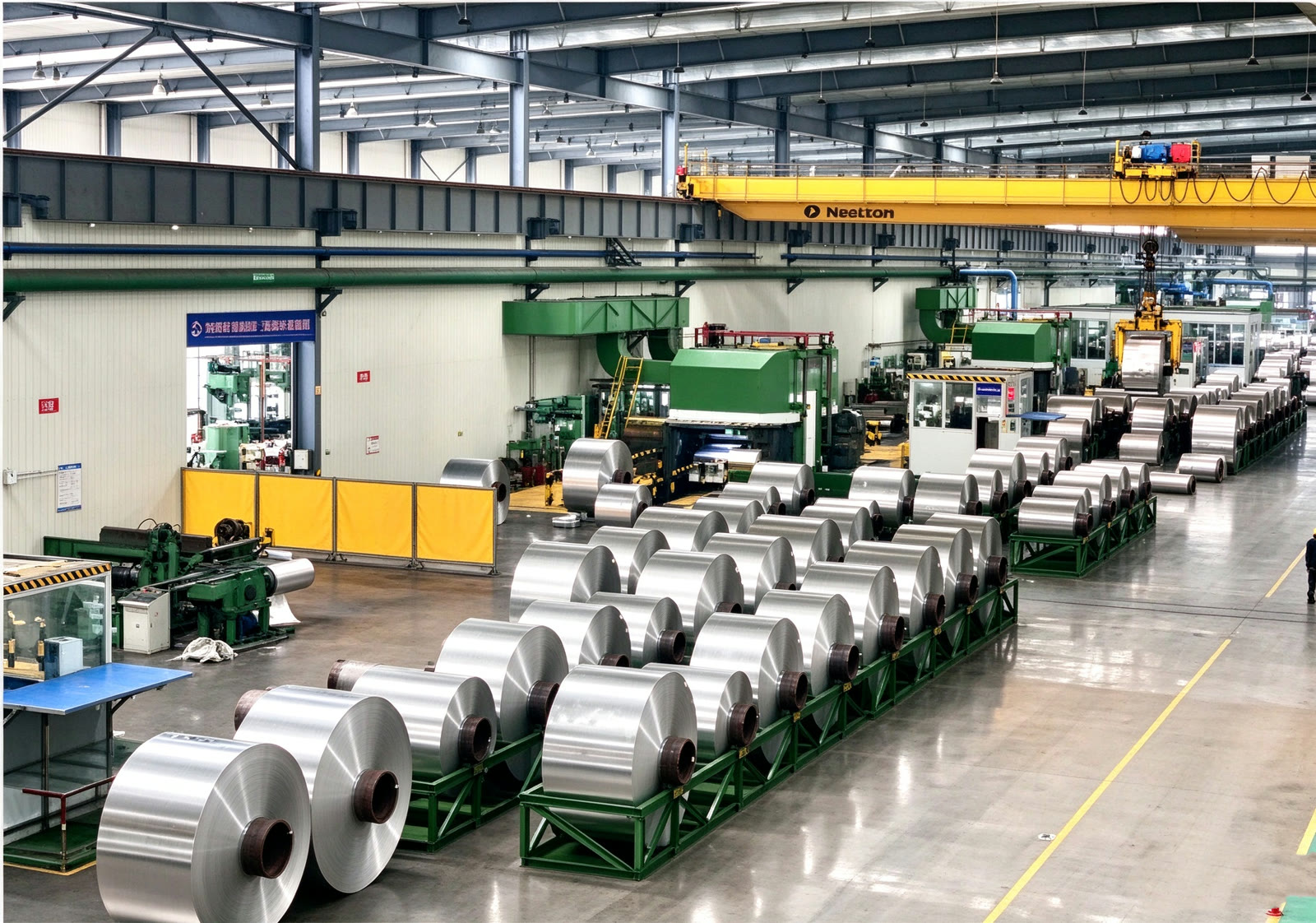
A single mill can be an excellent partner, but a single point of production is also a single point of interruption. Maintenance windows, seasonal power allocation, and the natural rhythm of rolling schedules all affect when a specific gauge and width can run. Buyers who plan quarter by quarter benefit from suppliers that operate more than one production base, because capacity can be balanced across sites instead of queued behind one another. A supplier with 20+ years in the industry and rolling operations in Henan and Anhui is able to shift part of a programme between plants when one line is committed, which keeps a long-run order from stalling on a single machine.
Depth also shows up in the range itself. Household foil, converter foil, and fin stock are not interchangeable, and a plant that runs 1000, 3000, 5000 and 8000 series material across 0.006 mm to 0.2 mm understands how temper and thickness interact with the customer's downstream process. That understanding is what turns a specification into a repeatable roll, order after order.
The role of a local sales office and warehouse
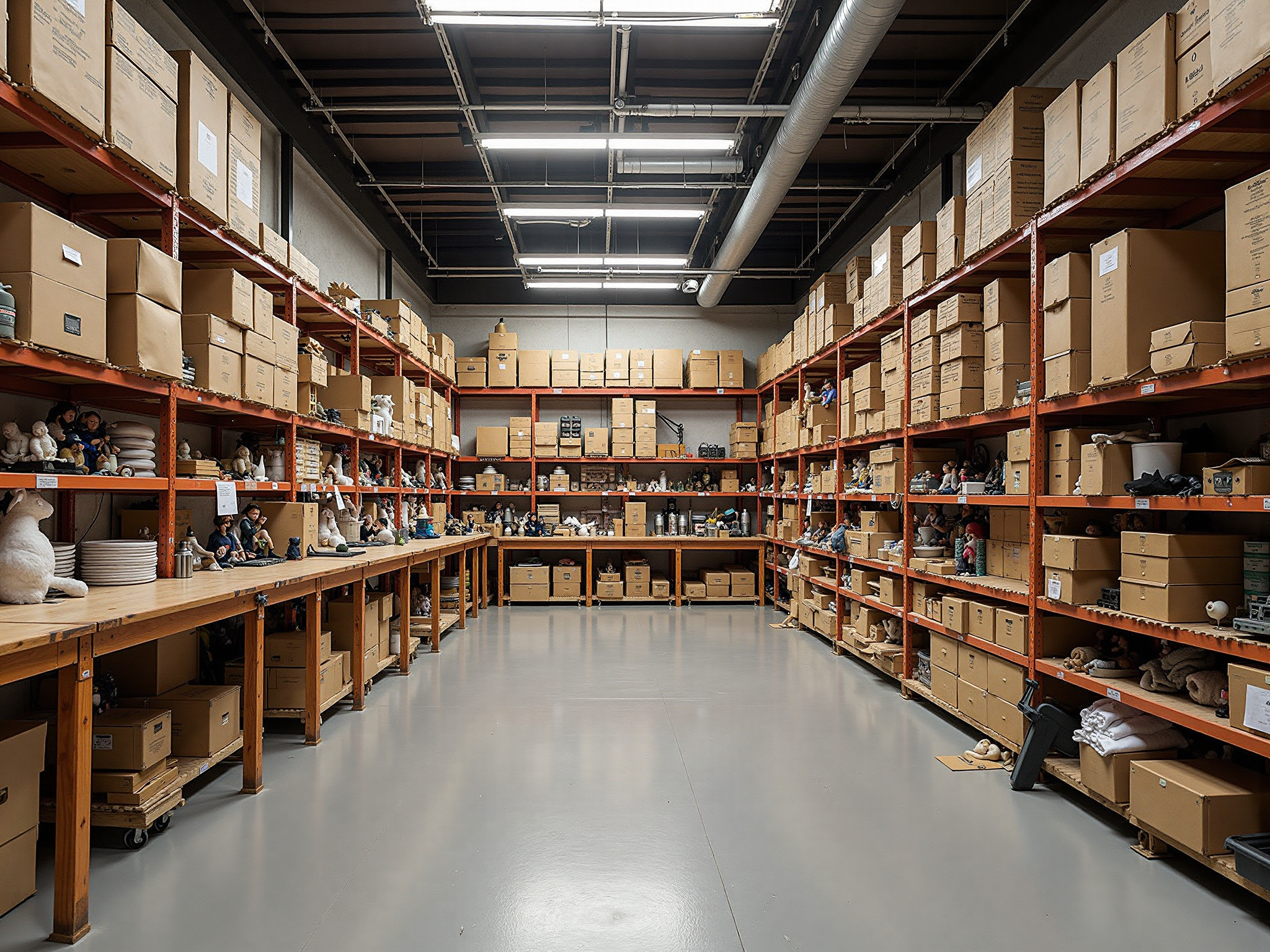
Distance is a supply chain cost that never appears on the invoice. A sales office close to the buyer shortens the loop between a question and a clear answer, while a warehouse close to the port shortens the loop between a confirmed order and a loaded container. A Shenzhen sales office and a Huizhou warehouse serve exactly this purpose: commercial discussion, sample coordination, and stock positioning happen in the same time zone and the same working week as the customer, rather than across a twelve-hour gap.
- Faster clarification. Specification questions, packing preferences, and document formats are resolved in conversation, not in a chain of forwarded emails.
- Sample and stock handling. Trial rolls and repeat items can be prepared and consolidated without waiting for a full production run.
- Loading coordination. Shipments can be grouped and inspected before they reach the terminal, reducing surprises at the port.
- Continuity of contact. The same commercial team follows the account across seasons, so planning history is not lost when staff change.
What to align before the first order
Most friction in an export programme traces back to assumptions that were never written down. Before the first container, a buyer and supplier should agree on the points that will otherwise surface as disputes later.
- Specification and temper. Confirm alloy series, thickness within the 0.006–0.2 mm range, width, and whether the material is ordered in O or H condition. State the downstream process so the temper is chosen for the application, not just the drawing.
- Packing and protection. Agree on core size, roll diameter, interleaving, edge protection, and the number of rolls per pallet or crate. Export packing should survive handling at both ends of the route.
- Documentation and labelling. Settle the commercial invoice, packing list, certificate of origin, and any buyer-specific marks in advance, and confirm what appears on each roll label.
- Volume rhythm. Share the quarterly plan and the expected call-off pattern rather than a single quantity. A rolling forecast lets the supplier schedule production and stock in step with the buyer's own commitments.
None of this removes the uncertainty of international trade, but it moves most of it into a conversation held early, when there is still room to adjust. A stable aluminium foil supply chain is less a matter of one perfect shipment than of a shared plan that both sides can see, review, and correct as the quarter unfolds.